

ETF Upgrades: Improving Risk/Return By Replacing SPY, VOO, VTV, IWM & EFA In Your Portfolio
Six under-the-radar ETFs that challenge the industry's biggest heavyweights.

The Premise
Most investors default to the usual suspects in their portfolios:
SPDR S&P 500 ETF (SPY)
Invesco QQQ Trust (QQQ)
Vanguard S&P 500 ETF (VOO)
Vanguard Total Bond Market ETF (BND)
iShares Russell 2000 ETF (IWM)
…without ever asking whether those funds are actually the best tools for the job. The truth is that they often aren’t. Index construction quirks, mega-cap concentration, and style drift have created real gaps between what investors think they’re buying and what these products actually deliver.
I want to highlight six smaller, under-followed ETFs that have demonstrated the ability to enhance risk-adjusted returns under the right conditions. Each one offers a structural or strategic advantage over the mainstream alternatives whether that’s through smarter weighting, stronger risk-adjusted returns, cleaner factor exposure, or simply aligning better with the objective investors are targeting.
There’s nothing wrong with choosing VOO, IWM or BND for core exposures in your portfolio. But there are opportunities to improve it using factor tilts and other elements.
Let’s take a look at this week’s six ETFs and why they can represent an improvement for your portfolio.
A More Dynamic Large-Cap Core Than SPY or VOO
Original: SPDR S&P 500 ETF (SPY), Vanguard S&P 500 ETF (VOO)
Upgrade: Invesco Russell 1000 Dynamic Multifactor ETF (OMFL)
Category: U.S. Large-Cap Core
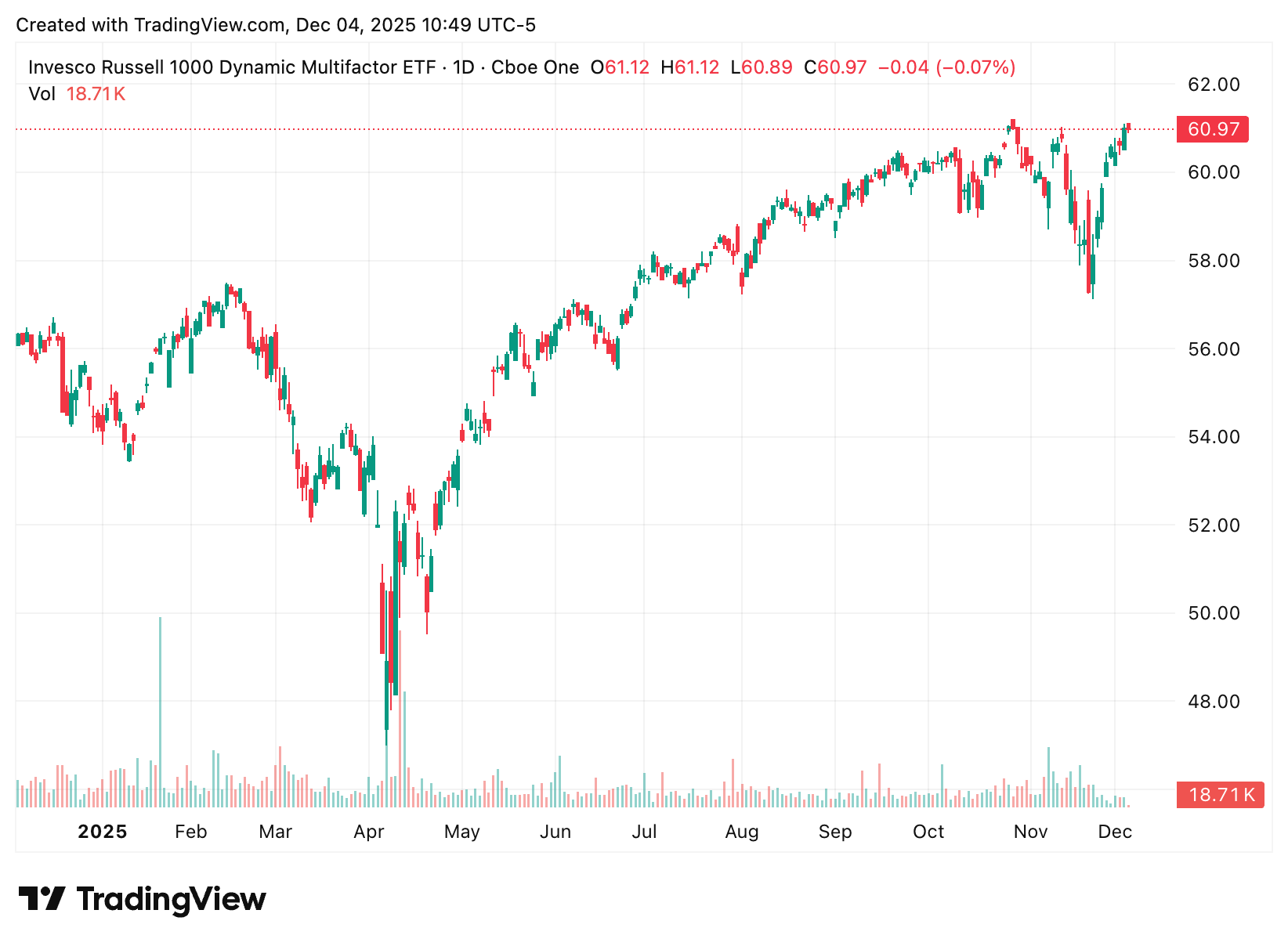
Why It’s Underrated: OMFL keeps your core exposure intact but improves how you own the market.
Instead of relying on pure market-cap weighting, OMFL rotates between value, quality, momentum, low volatility, and smaller-company factors based on where the economy sits in the cycle. It’s still the Russell 1000 universe, but with a dynamic, rules-based overlay that tilts the portfolio toward the factors that historically work best in each economic regime.
The result is broad U.S. equity exposure with intentional shifts away from the usual mega-cap concentration and toward areas of the market that are actually supported by current conditions.
Best Use: Upgrade part of your traditional S&P 500 allocation with a smarter, cycle-aware approach to large-cap indexing.
A Fundamentally Built Core That Reduces Mega-Cap Overload
Original: SPDR S&P 500 ETF (SPY), iShares Core S&P Total U.S. Stock Market ETF (ITOT)
Upgrade: Schwab Fundamental U.S. Large Company ETF (FNDX)
Category: U.S. Large-Cap Core
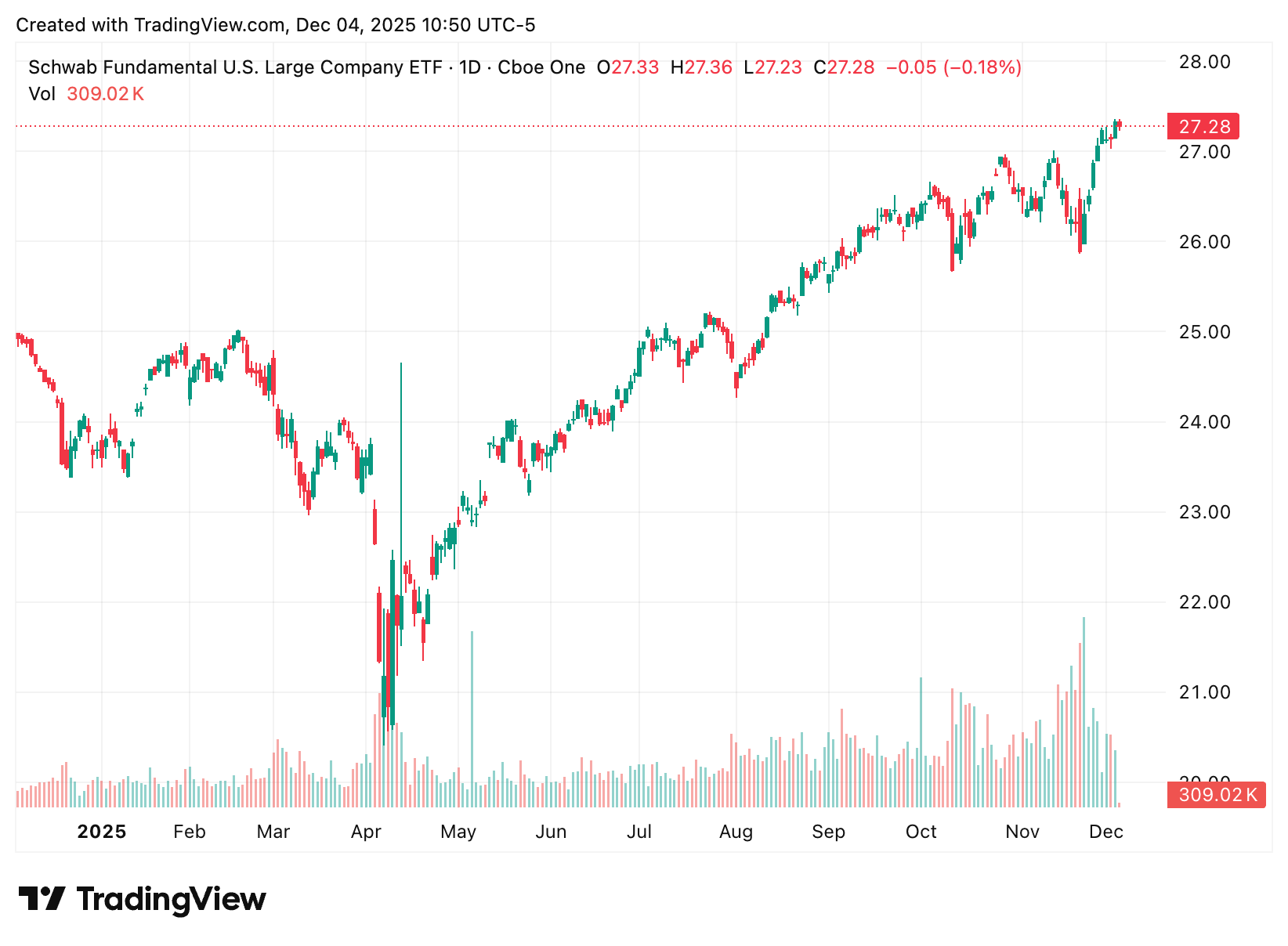
Why It’s Underrated: FNDX weights companies based on what they produce, not how the market prices them.
Instead of letting the largest stocks dominate simply because their prices went up, FNDX rebalances based on sales, cash flow, dividends, and buybacks. That leads to a portfolio that more closely reflects the economic footprint of corporate America rather than the market’s most popular names. It leans naturally toward cheaper stocks and trims expensive ones automatically.
Over full cycles, this has helped reduce top-heaviness while creating a more valuation-aware large-cap core.
Best Use: A more balanced, fundamentals-first alternative to traditional cap-weighted large-cap indexes.
A Cash Flow Driven Value Sleeve With Modern Metrics
Original: Vanguard Value ETF (VTV), iShares Russell 1000 Value ETF (IWD)
Upgrade: Pacer U.S. Cash Cows 100 ETF (COWZ)
Category: U.S. Large-Cap Value
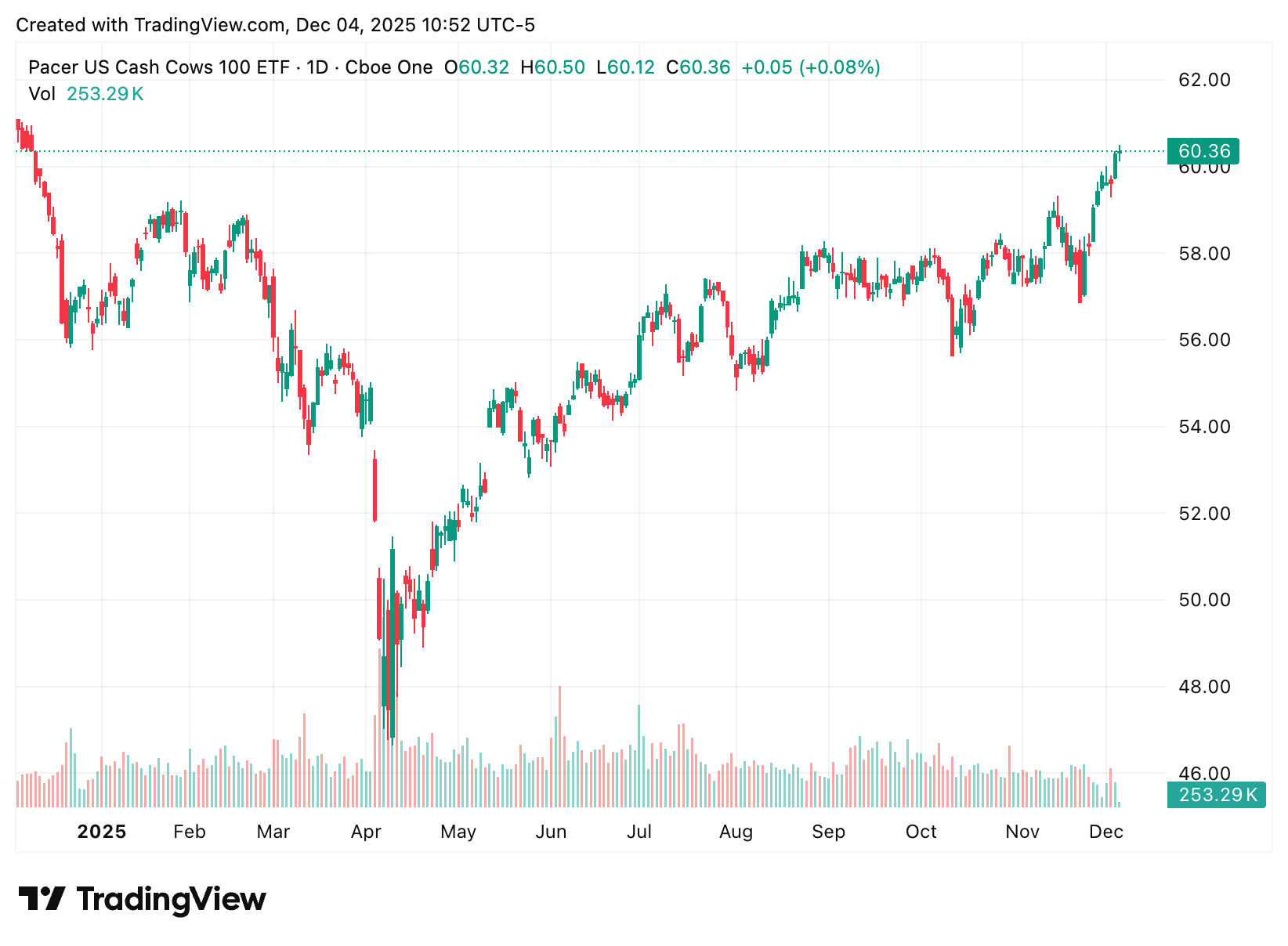
Why It’s Underrated: COWZ uses free cash flow yield, not outdated book value metrics, to find genuine value.
The fund screens the Russell 1000 for the highest free cash flow yield companies and builds a focused portfolio around businesses that generate real cash and trade at attractive valuations. In today’s intangible-driven economy, where many companies own fewer physical assets, free cash flow can be a far more relevant measure of value than price-to-book.
COWZ often lands on companies with strong balance sheets and high quality earnings, giving investors a cleaner way to express value without loading up on slow-growth financials or deep cyclicals.
Best Use: A modern value sleeve that prioritizes cash flow strength over traditional valuation ratios.
A Higher Quality Approach to Small Caps Than IWM
Original: iShares Russell 2000 ETF (IWM), Vanguard Russell 2000 ETF (VTWO)
Upgrade: ALPS O’Shares U.S. Small-Cap Quality Dividend ETF (OUSM)
Category: U.S. Small-Cap Core
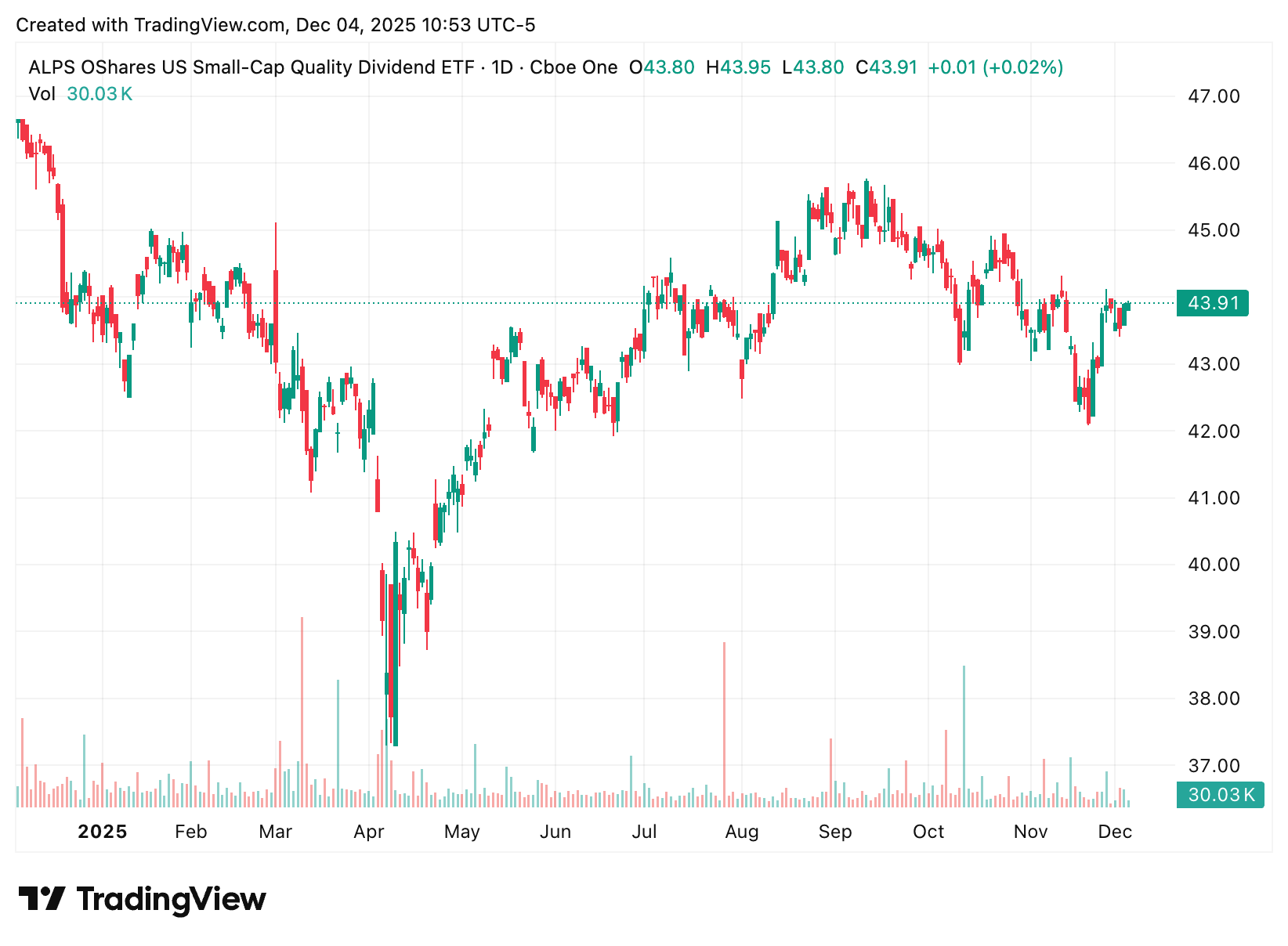
Why It’s Underrated: OUSM filters out the weakest parts of the small-cap market.
The Russell 2000 includes hundreds of unprofitable and highly leveraged companies. OUSM sidesteps those by screening for profitability, lower volatility, strong balance sheets, and consistent dividends. The end result is a more stable small-cap portfolio that targets companies with durable business models and actual earnings, rather than speculative stories.
It captures the upside potential of the small-cap market while reducing exposure to the riskiest names that typically hold back index returns.
Best Use: A more disciplined small-cap sleeve for investors who want growth potential without the junk factor.
Developed International Exposure That Tilts Toward Small, Cheap, and Profitable
Original: iShares MSCI EAFE ETF (EFA), Vanguard FTSE Developed Markets ETF (VEA)
Upgrade: Avantis International Small Cap Value ETF (AVDV)
Category: International Value
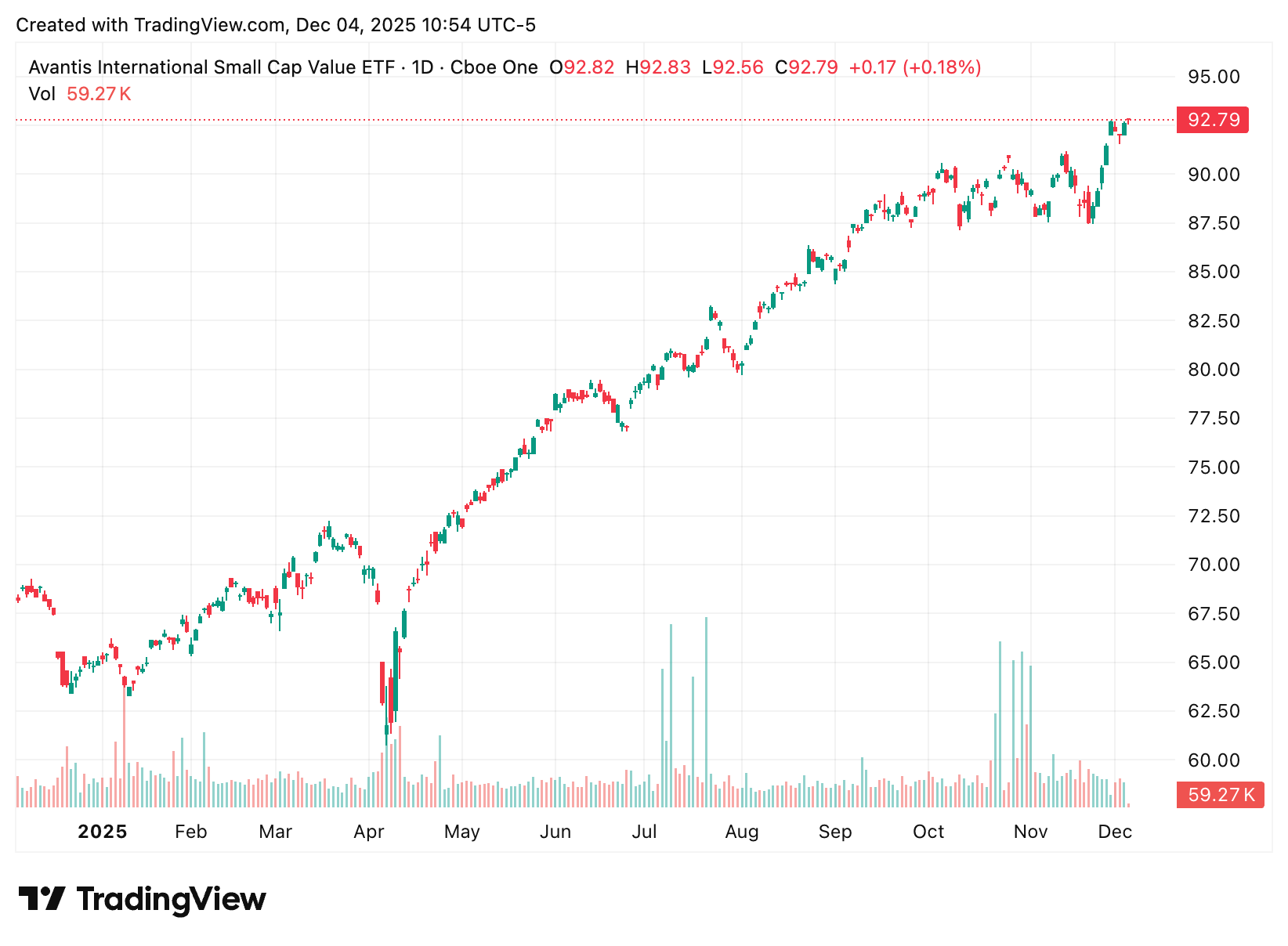
Why It’s Underrated: AVDV targets the parts of international markets that have historically driven most of the return premium.
Most international ETFs overweight large-cap, slow growth multinationals and underweight the areas where valuation, size, and profitability advantages appear. AVDV flips this model by leaning into smaller, cheaper, and more profitable companies across developed markets. It’s a cleaner expression of international value and offers better diversification than large-cap heavy benchmarks.
The fund’s “active but rule based” approach helps maintain strong valuation discipline without drifting into low quality names.
Best Use: Add targeted foreign small-cap value exposure that complements rather than duplicates traditional developed market ETFs.
Multifactor International Small Caps That Provide Broader, Cleaner Diversification
Original: iShares MSCI EAFE Small-Cap ETF (SCZ), Vanguard FTSE All-World ex-US Small-Cap ETF (VSS)
Upgrade: iShares International Small-Cap Equity Factor ETF (ISCF)
Category: International Developed
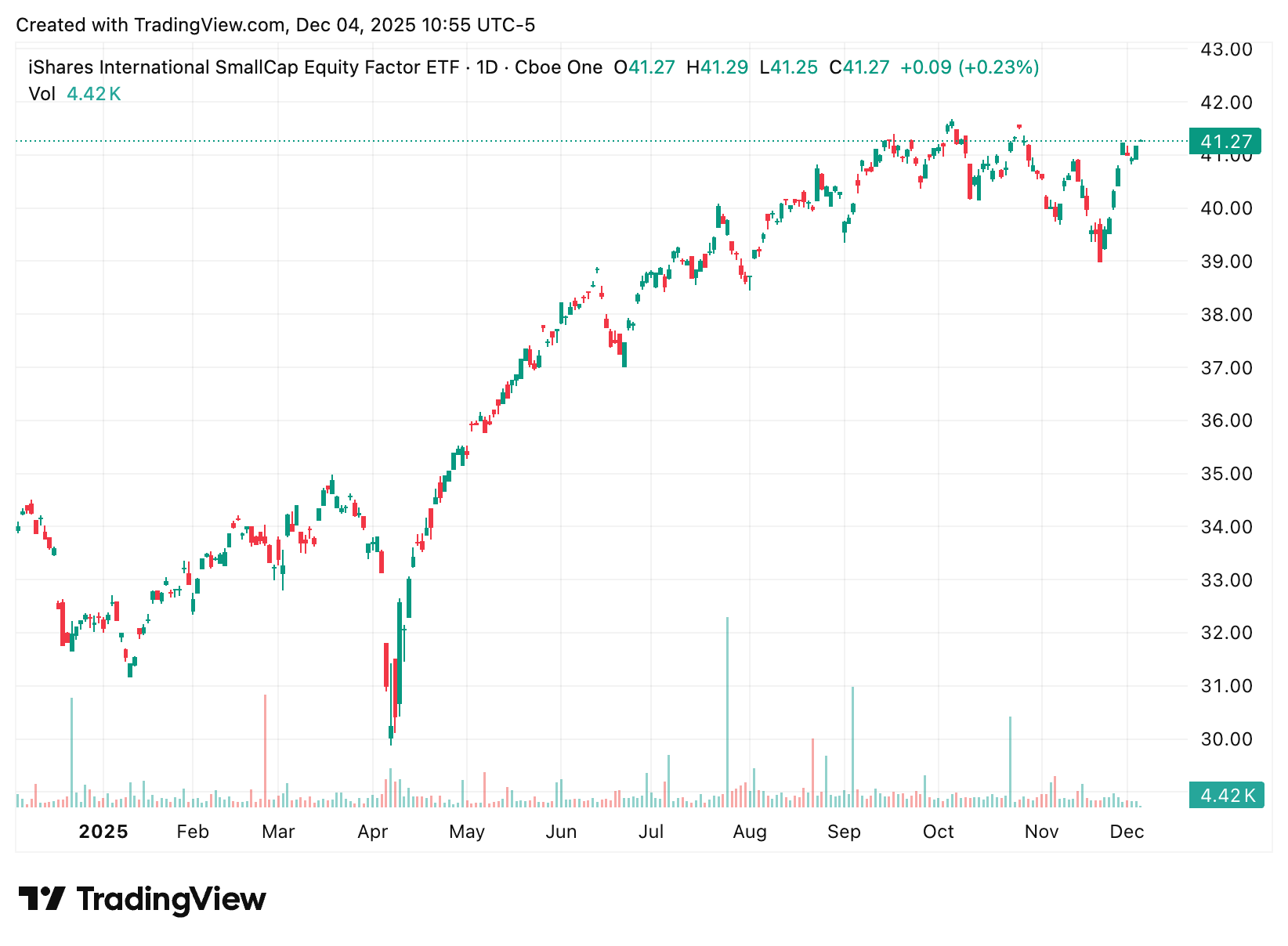
Why It’s Underrated: ISCF blends size, value, momentum, and quality in one diversified package.
Instead of owning every developed small-cap company, ISCF applies a systematic multifactor screen that seeks companies with better valuations, stronger financials, and positive momentum. It keeps overall diversification broad with hundreds of holdings, but with a more refined selection process than generic market-cap small-cap funds.
It’s especially useful for investors who want small-cap exposure abroad but prefer a more intentional design than pure index replication.
Best Use: A complementary international small-cap holding that pairs well with AVDV while adding multifactor breadth.
Final Takeaway
Each ETF here:
Provides a clear structural edge over its conventional benchmark
Offers a more intentional implementation of its target exposure
Delivers better risk or valuation discipline than cap-weighted indexes
Helps reduce hidden weaknesses like concentration, unprofitable stocks, or inefficient factor exposure
Remains overlooked by many investors despite strong design logic
What was suggestion for QQQ?